
Things to Do in Bhutan in April
April weather, activities, events & insider tips
High Season · Book Early
April Weather in Bhutan
Temperature, rainfall and humidity at a glance
72°F (22°C)
High Temp
46°F (7°C)
Low Temp
1.2 inches (30 mm)
Rainfall
70%
Humidity
⚠ The UV hits harder than it looks. At 2,200-3,800 m (7,218-12,467 ft), thin atmosphere filters less. Whitewashed dzong walls reflect glare. Snowfields amplify exposure. SPF 50+ every two hours. Clouds do not protect you.
⚠ Storms build by afternoon. Pre-monsoon thunderstorms strike 1 PM to 4 PM. Frequency rises in late April. Schedule high-altitude hikes for morning. Cross exposed passes early. Carry rain gear. Clear dawns lie.
Is April Right for You?
Weigh the advantages and considerations before booking
Advantages
- + Rhododendron bloom season turns the highlands above 2,800 m (9,186 ft) into corridors of red, pink, and white blossoms. The forests between Dochula Pass and Punakha Valley are at their most photogenic. The timing lines up almost exactly with the clearest Himalayan skies before monsoon clouds build in late May.
- + Hiking temperatures sit in the sweet spot between Bhutan's bone-dry winter cold and its summer monsoon. Mornings start crisp around 7°C (46°F) in the valleys. They warm to a comfortable 20-22°C (68-72°F) by midday. This makes the Tiger's Nest ascent and the highland passes pleasant rather than a slog.
- + The Paro Tshéchu, one of Bhutan's largest and most visually overwhelming masked-dance festivals, typically falls in late March or April depending on the lunar calendar. If your April dates align, you'll witness cham dances performed by monks in silk brocade and carved wooden masks representing wrathful deities. These play out against the whitewashed walls of Rinpung Dzong.
- + April air in the western valleys tends to be startlingly transparent. The monsoon haze hasn't arrived. Agricultural burning is minimal. On clear mornings from the Dochula Pass viewpoint at 3,100 m (10,171 ft) you can count individual ridgelines on the snow-covered eastern Himalayan peaks stretching from Masang Gang to Gangkar Puensum, the highest unclimbed mountain on earth.
Considerations
- − April is peak season alongside October. The limited pool of licensed Bhutanese tour operators and quality lodges books up fast. Travelers who start planning less than six weeks out may find their preferred itinerary already locked. Last-minute rearrangements in a country with only a handful of paved east-west roads are rarely smooth.
- − Pre-monsoon afternoon showers begin building through April, in the second half of the month. Skies are typically clear until noon. Then cumulus stacks over the ridgelines and drops 20-40 minute bursts of rain. These can turn unpaved trail sections muddy and make high passes like Chele La at 3,988 m (13,084 ft) slippery enough to warrant real caution.
- − Bhutan's mandatory daily fee structure makes it one of the most expensive destinations in Asia regardless of month. April's peak-season demand means there's little room to negotiate with operators on inclusions or accommodations. Budget travelers accustomed to finding deals by being flexible will find almost no flexibility here.
Best Activities in April
Top things to do during your visit
April in Bhutan flips the switch. Winter's razor air softens into spring. Yet nights still demand a thick blanket. Only ten days see rain, so the sky stays a hard, cobalt blue over pine mountains and the white-washed dzongs. Roads snake clear. Farmers hoe greening lower fields while life shifts, deliberately, out of hibernation. Cold January or the sodden monsoon? Not April. The month is dry, a slim 2 cm of rain against May's 8 cm or June's 14 cm. Courtyard stones warm underfoot, meltwater roars far below, first primrose speckle the slopes. No festivals crowd the calendar. You will meet monks, not tour buses. Timing matters. You thread ancient trails between peak seasons, sharing temple flagstones with breeze and chortens alone. Trekking weather is gold: mild, stable, pre-humid.

12 Days Bhutan In-depth Tour
guided_experienceTwelve days, complete immersion. Paro Valley to Bumthang. Dawn light strikes Punakha Dzong's golden spires; butter-lamp air drifts inside dark temples. Monks chant against 400-year walls. Watch thangka painters, then walk rhododendron forests that may bloom at 3,500 m by late April.
Western to central Bhutan, unrushed, beyond postcard clichés.
Insider tip: Pack layers; sun-washed valley floors to windy Chele La can swing 15 °C in an hour.

5-Day Private tour of Bhutan
private_tourFive days, private wheels. Thimphu's Trashichho Dzong, juniper smoke, red rice and ema datshi heat. Stop for Paro Valley panoramas or farmhouse suja.
Flex pace; linger at weekend market or a silent riverside chorten.
Insider tip: Hit National Memorial Chorten by 07:00; join grandmothers spinning prayer wheels over sun-warmed flagstones.

6 Days of Adventure with Thimphu, Punakha and Paro
otherSix days, legs included. Climb 900 m to Taktsang. Prayer flags crackle at 3,140 m Dochu La. Phallus murals grin in Punakha. Cross suspension bridges, terraces being turned.
Spirit plus sweat inside a tight week.
Insider tip: Ask for a clear-morning stop at Dochu La; 200 km of Himalayan summits stack like serrated blades.

Private Multi-Day Bhutan Tour: Paro, Taktsang Monastery, Thimphu
day_tripMulti-day private deep-dive. Silent monks, National Textile Museum weaves, chili stew fire, Kyichu Lhakhang's 7th-century quiet.
No group clock. Personal space with art, architecture, belief.
Insider tip: Circle Paro Dzong at 17:00; walls glow ochre, courtyards empty.

Bhutan Highlights Tour - 7 Nights 8 Days of Culture & Adventure
guided_experienceEight nights, classic sampler. Mo Chhu roars below Punakha Dzong. Painted eyes watch from eaves. Try archery. Soak in a hot-stone bath.
Alternates wow with doing: grind tsampa, loose an arrow.
Insider tip: At Folk Heritage Museum, ask to taste raw barley before it becomes tsampa; nutty, slightly sweet.

Bhutan Tour Package
guided_experienceWestern Bhutan primer. Costumed dance, moss-earth scent near Chele La, khabzey cookies.
Guide decodes every fortress, thangka, market.
Insider tip: At Zorig Chusum school, watch students grind malachite and lapis into paint. Colours hum.
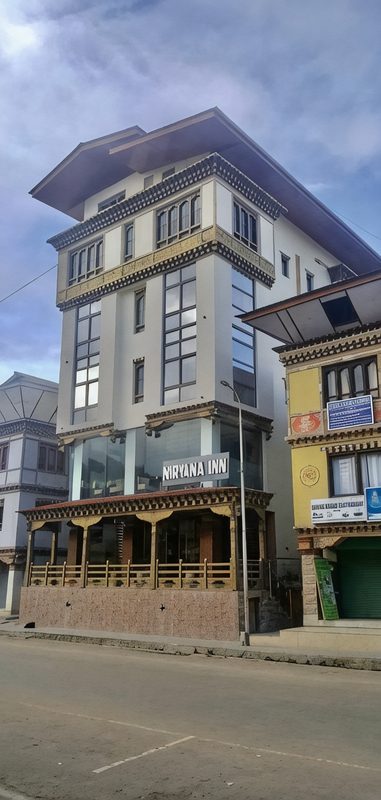
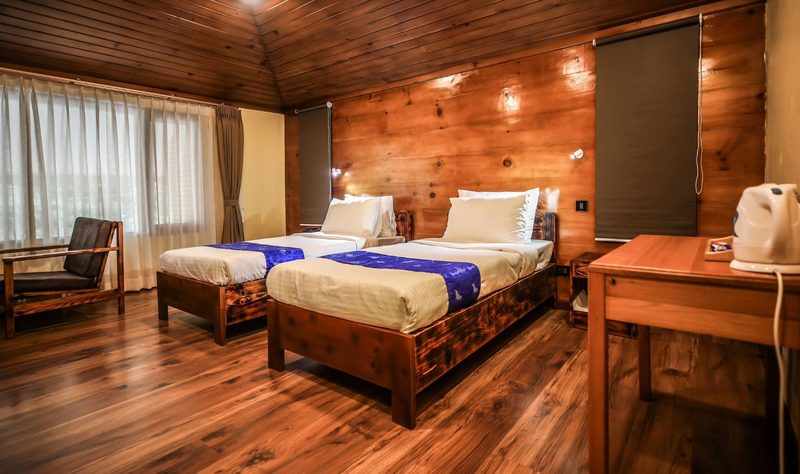
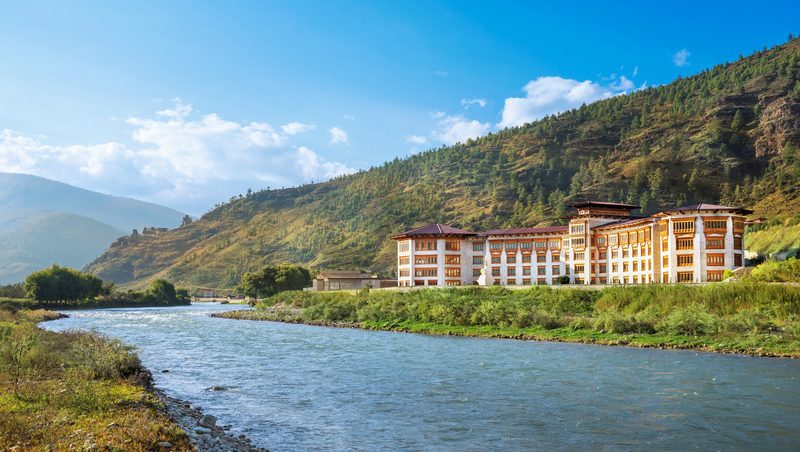
Where to Stay in Bhutan in April
Hand-picked hotels across price tiers for April travellers.
April Events & Festivals
What's happening during your visit
Late March to mid-April (lunar calendar dependent. Confirm 2027 dates with operators)
Paro Tshéchu
The Paro Tshéchu draws Bhutan's largest crowds each year. Five days develop in the courtyard of Rinpung Dzong. Monks and trained lay dancers perform cham, masked sacred dances representing wrathful and protective deities. They wear silk brocade costumes and carved wooden masks weighing several kilograms. The dances are religious acts, not entertainment. Each sequence confers merit on spectators. Bhutanese families travel from across the country to attend. The climax comes before dawn on the final morning. A massive silk thongdrel unfurls. Seeing it liberates viewers from the cycle of rebirth. The atmosphere blends sacred ceremony with county fair. Families spread picnic blankets. They pass around plates of zow and ema datshi packed in tiffin containers. Children dart between dance sequences. Visitors encounter fortress architecture, swirling silk, carved wood, and the deep drone of long horns echoing off stone walls. The crowd's absolute sincerity sets this apart from any regional festival. Dates follow the Bhutanese lunar calendar. They shift yearly, typically landing in late March or April. Confirm exact 2027 dates with your operator when booking. The announcement usually comes six to eight months ahead.
Packing Checklist
Bookmark this page — your progress is saved between visits
Need the full list with shopping links?
Climate-specific gear, brand recommendations, and what to leave at home.
View Bhutan Packing List →Essential Tips
Insider knowledge and common pitfalls to avoid
Insider Knowledge
Start the Tiger's Nest hike at first light. Aim for 6:30 AM. The monastery cliff face catches direct morning sun. The white walls turn gold against dark granite. The trail is nearly empty then. You'll descend before afternoon clouds swallow the upper valley. Most tour groups arrive between 9 and 10 AM. By then the switchbacks become a procession.
At the Centenary Farmers Market in Thimphu, find the woman selling ema datshi ingredients pre-measured in banana-leaf bundles. She packs green chilies, soft farmer's cheese, and a knob of butter. Ask your guide to help you buy a set. Most lodges let you use their kitchen. Cook it yourself. Twenty minutes learning Bhutan's national dish from a cook with decades of experience beats any restaurant meal.
Bhutan's safety has genuine cultural roots. Violent crime against visitors is essentially unheard of. Rare theft cases involve unlocked hotel rooms in Thimphu, not street incidents. The mountain roads pose the real danger. Hairpin turns on single-lane unpaved roads with no guardrails and significant dropoffs are standard. April rain makes them worse. Choose operators whose drivers know the routes personally. Skip the ones relying on GPS.
If your dates align with the Paro Tshéchu, enter Rinpung Dzong's courtyard by 5 AM on the final morning. Position yourself inside for the thongdrel unveiling. The massive silk applique rolls up before sunrise. It reaches the audience in liminal light between night and day. The crowd presses forward in the dark. Long horns reverberate off fortress walls. The moment the fabric drops delivers on its mythology. Latecomers see it from outside the walls. That's roughly equivalent to watching a concert from the parking lot.
Avoid These Mistakes
Skip Tiger's Nest on day one. Paro's valley floor sits at 2,236 m (7,336 ft). The monastery perches at 3,120 m (10,236 ft). That 520 m (1,706 ft) gain feels brutal at altitude. Spend a full day walking lower first. Acclimatize properly.
Pack layers. April nights in Bhutan's western valleys drop to 5-7°C (41-46°F). Dochula and Chele La hover near freezing at dawn. Lightweight synthetics leave travelers shivering on morning drives. Bring proper cold-weather gear.
Do not attempt the whole country in under a week. The east-west highway averages 30-40 km/h (19-25 mph). Switchbacks and construction slow everything. Paro to Bumthang covers 250 km (155 miles). That drive eats two full days. Pick either western valleys (Paro, Thimphu, Punakha) or commit to ten days plus.
Explore More Activities in Bhutan
Didn't see anything interesting yet?
Browse Viator's full catalog of tours, day trips, food experiences, and private guides in Bhutan.
See All Bhutan Tours on Viator