
Things to Do in Bhutan in March
March weather, activities, events & insider tips
Shoulder Season · Good Value
March Weather in Bhutan
Temperature, rainfall and humidity at a glance
66°F (19°C)
High Temp
38°F (3°C)
Low Temp
0.8 inches (20 mm)
Rainfall
70%
Humidity
⚠ UV radiation at Bhutan's typical elevations of 2,200-3,100 m (7,220-10,170 ft) is significantly stronger than at sea level despite moderate air temperatures. Sunburn happens quickly on exposed skin, on the Tiger's Nest trail where the climb faces south. Apply SPF 50+ before departure. Reapply at the midpoint.
⚠ Residual ice on higher passes above 3,500 m (11,480 ft) in early March can make road travel unpredictable. The Thrumshingla Pass and the road to Gasa are most affected. Build schedule flexibility into any itinerary that crosses high passes in the first two weeks of the month.
⚠ Altitude-related symptoms, including headache, nausea, and shortness of breath, affect some visitors arriving directly into Paro at 2,250 m (7,380 ft), those flying in from sea-level cities. Drink water aggressively on arrival day. Avoid alcohol for the first evening. Walk slowly up stairs until your body adjusts. The Tiger's Nest climb on day one is a reliably bad idea.
Is March Right for You?
Weigh the advantages and considerations before booking
Advantages
- + March brings the clearest Himalayan visibility of the year. Winter haze has lifted, and the pre-monsoon buildup has not yet begun. Most mornings, the peaks of Jhomolhari at 7,326 m (24,035 ft) and Jichu Drake at 6,989 m (22,930 ft) slice against a sky so deep blue it looks almost artificial. Photographers who have shot Bhutan in both spring and autumn prefer the March light. It carries a cooler, sharper quality. The whitewashed dzong walls practically glow against the valley floors.
- + Rhododendrons begin blooming at lower elevations in late March. Drive the road between Thimphu and Punakha over the Dochula Pass at 3,100 m (10,170 ft). The first flush of crimson and pink against the prayer-flag-draped ridge will make you pull over and just stand there. The full rhododendron explosion arrives in April. March gives you the opening act. The crowds that chase peak bloom have not yet arrived.
- + Spring festivals roll through the valleys. Bhutanese tshechus are not tourist performances. They are community events. Masked dancers in silk brocade enact Buddhist moral tales. Families spread picnics on the courtyard stones. Grandmothers gossip over butter tea. March typically hosts the Punakha Drubchen and Punakha Tshechu at one of the most photogenic dzongs in the country. The atmosphere is less congested than the famous Paro Tshechu later in spring.
- + Daily temperatures swing from 3°C (38°F) at dawn to 19°C (66°F) by afternoon. This makes March one of the most physically comfortable months for trekking and temple visits. You are not fighting the June-August monsoon mud. The winter bone-chill has broken. Trails to places like Taktsang Monastery are dry, firm, and navigable without crampons or gaiters. The air at altitude smells of juniper and pine resin. It is sharp and clean after the dry winter months.
Considerations
- − Nights are cold. Most Bhutanese guesthouses and heritage-style lodges rely on bukhari wood stoves rather than central heating. Once the fire dies around midnight, room temperatures in the Paro and Bumthang valleys can drop to near freezing. You will likely sleep in a fleece layer for at least a few nights. Hot water supply in mid-range accommodation tends to be solar-heated. The last person to shower in the evening sometimes gets a lukewarm trickle.
- − March sits at the tail end of Bhutan's dry season. Some valley floors, around Paro and Thimphu, can feel dusty and brown before the spring rains green everything up. The landscape along the main east-west highway between Trongsa and Bumthang looks its least lush in late February and early March. If your mental image of Bhutan is emerald rice terraces, that version arrives in May and June.
- − Higher-altitude passes above 3,500 m (11,480 ft) may still carry ice or residual snow in early March. This can delay road travel. The drive from Punakha to Gasa for the hot springs occasionally gets rerouted. The Thrumshingla Pass at 3,780 m (12,400 ft) between Bumthang and eastern Bhutan sometimes closes for a day or two after late-winter snowfall. Flexible itineraries handle this. Rigid ones do not.
Best Activities in March
Top things to do during your visit
March strips winter's edge from Bhutan. Valleys still bite at dawn. Yet by afternoon the air warms and pine sap sharpens every breath. Rain rarely falls. Light slants hard off whitewashed dzongs and prayer flags pop like gunshots against cobalt sky. Farmers turn earth in the lower fields while monks chant under skies that fade from deep blue to soft gray. The kingdom holds its breath before spring tourists arrive.

12 Days Bhutan In-depth Tour
guided_experienceYou will reach Phobjikha Valley before the black-necked cranes leave for higher ground. Inside Bumthang's Jakar Dzong, murals glow in butter-lamp flicker. The air stays cool and still, thick with centuries of whispered mantras.
depth, not box-ticking
Insider tip: Pack layers; Punakha noon can hit 24°C while Bumthang after dusk drops near zero. The sun at 3000m is brutal even when the wind is cold.

5-Day Private tour of Bhutan
private_tourLinger as long as you like over monks' low chants in Thimphu, then run your fingers across rough bark paper at a workshop still powered by the river.
royal and spiritual hits without herd pace
Insider tip: Ask your guide for an unscripted evening circuit of the National Memorial Chorten. Grandmothers count rosaries and kids chase pigeons between prayer wheels.

6 Days of Adventure with Thimphu, Punakha and Paro
otherHike to Khamsum Yulley Namgyal Chorten. Wildflowers scent the trail and the Mo Chhu roars far below. Buddha Dordenma looms over Thimphu, 51m of bronze and gold. Ema datshi, gentle fire on the tongue, waits in a farmhouse kitchen.
culture plus sweat
Insider tip: On the drive from Thimphu to Punakha, stop at Dochula Pass at 10am. If the sky plays fair, the Himalaya line up like a snow-capped saw.

Private Multi-Day Bhutan Tour: Paro, Taktsang Monastery, Thimphu
day_tripTaktsang clings to its cliff. Prayer wheels spin and your lungs burn on the final stair. Punakha Dzong's cypress beams meet at the confluence of the Pho Chhu and Mo Chhu. Your guide will name every king in the murals.
one-on-one access, no strangers in the back seat
Insider tip: Walk the lower gallery at Punakha Dzong; Buddha's life panels hide there, ignored by tour groups snapping selfies in the courtyard.

Bhutan Highlights Tour - 7 Nights 8 Days of Culture & Adventure
guided_experiencePicnic on the Paro riverside. Damp earth and pine needles perfume the air. In a 300-year-old farmhouse, timbers are smoked to the color of strong tea.
big sights plus breathing room
Insider tip: Hit the National Museum after 2pm. Circular windows throw coins of light across medieval armor and ritual masks.

Bhutan Tour Package
guided_experienceDawn flag ceremony at Tashichho Dzong: boots stamp, banners lift, horns drone across Thimphu valley. The Punakha suspension bridge bounces over turquoise water. Prayer flags flutter like laundry. Inside a living room, a grandmother pours suja, salty and rich as liquid popcorn.
first-timer shorthand, logistics handled
Insider tip: Sip the butter tea slowly. The taste grows on you, or it doesn't.
Where to Stay in Bhutan in March
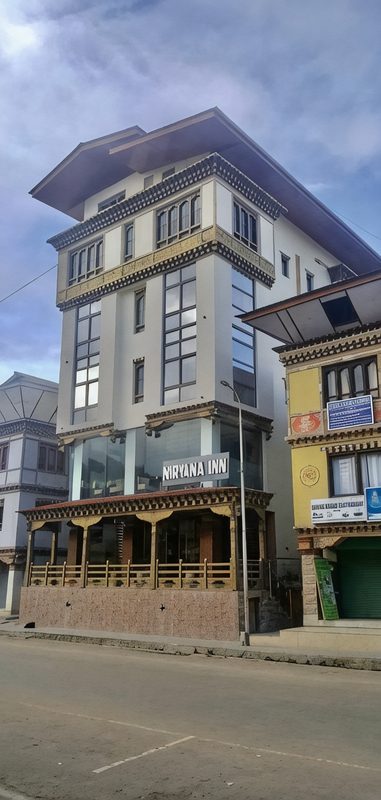
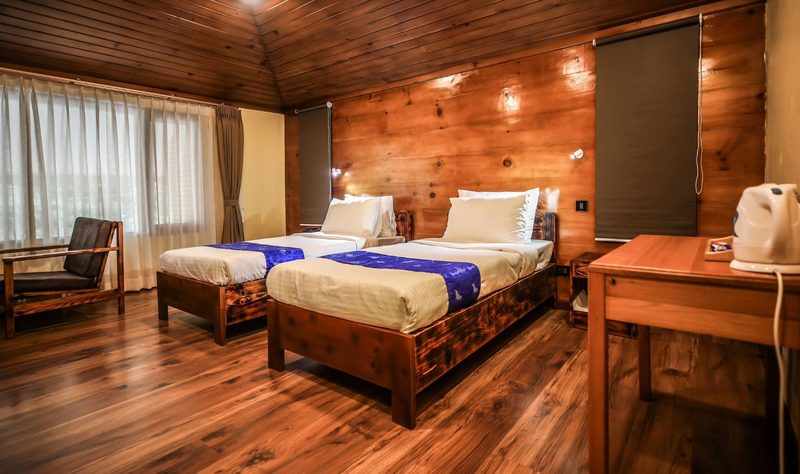
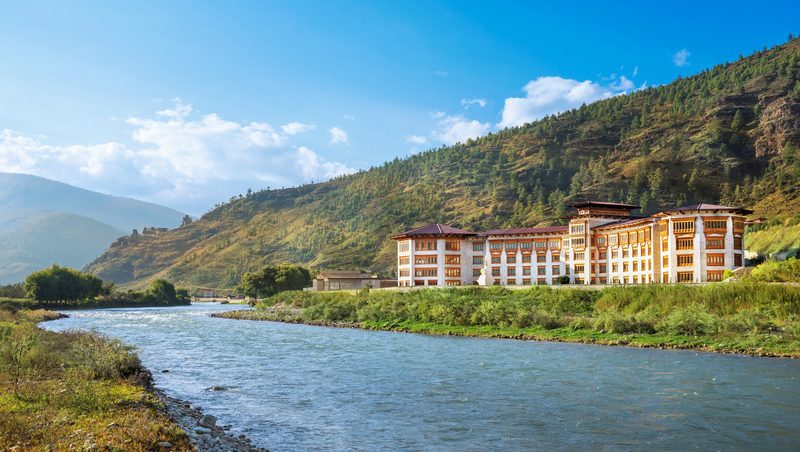
Hand-picked hotels across price tiers for March travellers.
March Events & Festivals
What's happening during your visit
Late February to Early March (lunar calendar dependent)
Punakha Drubchen
The Punakha Drubchen is a dramatic re-enactment of a 17th-century battle against Tibetan invaders, performed in the courtyard of Punakha Dzong by monks and militia in full period armour. Unlike the masked dances of a tshechu, this is a theatrical war narrative, complete with mounted cavalry charges, ceremonial weapons, and chanting that reverberates off the dzong's six-storey walls. The event draws Bhutanese from across the country. The atmosphere in the courtyard is thick with juniper smoke, the clatter of chain mail, and the deep horns of the dungchen trumpets. Nothing else on the Bhutanese festival calendar matches this. Dates follow the Bhutanese lunar calendar and shift annually. For 2027 the Drubchen likely falls in late February or early March. Confirm exact dates with your operator when booking.
Early March (follows Punakha Drubchen by a few days, lunar calendar dependent)
Punakha Tshechu
The Punakha Tshechu follows the Drubchen immediately, bringing three days of sacred masked dances to the same dzong courtyard. Dancers in elaborate silk costumes and carved wooden masks depicting wrathful deities, animals, and clowns perform moral parables from Buddhist scripture. The atsara, or sacred clown, wanders through the audience making bawdy jokes while families share picnics of red rice, ema datshi, and dried yak meat on blankets spread across the flagstones. The final day features the unfurling of a giant thongdrel, a sacred silk applique scroll, before dawn, believed to grant liberation from sin merely by being seen. Arrive before first light for the thongdrel. The crowd presses tight. The reverence is palpable.
Packing Checklist
Bookmark this page — your progress is saved between visits
Need the full list with shopping links?
Climate-specific gear, brand recommendations, and what to leave at home.
View Bhutan Packing List →Essential Tips
Insider knowledge and common pitfalls to avoid
Insider Knowledge
The Sustainable Development Fee that Bhutan charges every visitor per night is designed to keep volumes low and value high, and it includes your guide, driver, accommodation, meals, and entry fees. What this means in practice is that your operator's quality matters enormously because you're locked into their logistics for the entire trip. Ask previous clients, not just the operator, about guide quality. A great Bhutanese guide doesn't just narrate temple history; they'll introduce you to the monk who painted the murals, or detour to their uncle's farmhouse for fresh butter tea. A mediocre one reads from a script.
Ema datshi, Bhutan's national dish of chili peppers stewed in cheese, appears at every meal, and March is when the dried winter chilies give way to the first fresh green ones. The flavour shifts from smoky and concentrated to bright and searing, and if your host asks whether you want it 'Bhutanese spicy,' understand that this is not a challenge you're likely to win. Ask for 'medium' and you'll still feel the heat radiating from your chest an hour later. The trick locals use: a mouthful of the soft red rice between bites, never water.
Bhutan's airport at Paro is one of the most technically demanding commercial landings in the world, threaded between 5,500 m (18,040 ft) peaks into a valley barely wider than the runway. Only a handful of pilots are certified for the approach, and flights operate only in visual conditions. March weather is generally cooperative. But morning fog in the valley can delay departures by hours. Never book an international connection on the same day as your Paro departure flight. Build in a buffer night in Bangkok or Kathmandu.
Temple etiquette matters more than guidebooks suggest. Walk clockwise around chortens and inside prayer-wheel corridors, always. Remove your hat before entering any lhakhang. Photography is forbidden inside most active temples, and the prohibition is genuine, not performative. Bhutanese will be too polite to confront you. But the discomfort is visible. If a monk offers you butter tea inside a temple, accept with both hands and at least sip it. Refusing is a social misstep that your guide will feel obligated to smooth over.
Avoid These Mistakes
Bhutan throws three or four climates at you in a single day. The Paro Valley at dawn feels like late autumn in the Alps. The Dochula Pass at midday is alpine winter. The Punakha Valley by afternoon is subtropical spring. Pack for the average and you freeze at the pass. Or sweat through the lowlands. Layer everything. Carry the full stack in your daypack daily.
Don't treat the itinerary as a checklist. The east-west drives are long, winding, and physically draining. Visitors who try to cover Thimphu, Punakha, and Bumthang in five days spend more time carsick on switchbacks than experiencing anything. The valleys reveal themselves slowly. The afternoon light on a dzong. Prayer flags snapping on a ridge. Dinner conversation when your guide drops the script and tells you what growing up here was like. Seven days minimum to go beyond Paro and Thimphu. Ten to include central Bhutan without feeling like a forced march.
You cannot wander freely or change plans on the fly. Bhutan's tourism model requires a licensed operator, pre-arranged itinerary, and permits for every district you enter. Spontaneous detours to that side valley your driver mentioned over lunch need negotiation through your guide and may require a permit adjustment. This isn't bureaucratic pettiness. It's the mechanism that keeps visitor density low enough for the experience to feel uncrowded. Work with it. Communicate your interests clearly before the trip, so your operator builds in the flexibility you'll want.
Explore More Activities in Bhutan
Didn't see anything interesting yet?
Browse Viator's full catalog of tours, day trips, food experiences, and private guides in Bhutan.
See All Bhutan Tours on Viator