
What to Pack for Bhutan
Complete packing checklist tailored to Bhutan's climate and culture
Climate Overview for Bhutan
Bhutan's temperate climate is shaped by its dramatic Himalayan terrain. Days can be mild and sunny, letting you see prayer flags flutter against a deep blue sky. Evenings bring a sharp chill that seeps into stone monasteries. In the valleys, humid air rises from riverbeds. Climb a mountain pass and hear the wind whistle through a crisp, thin atmosphere. Sudden rain showers are common. They leave the scent of wet earth and pine. This variability means your layers must adapt quickly. Feel warm sun on a dzong's whitewashed walls. Step into the cool shade of its inner courtyards. Packing for Bhutan is about preparing for several weather experiences within a single day.
Clothing & Footwear

Exploring Bhutan involves long days on uneven stone paths around dzongs and temple complexes. You will climb steep staircases. You will walk on cobbled courtyards. Shoes with good support and grip are non-negotiable for navigating these historic sites comfortably.

Laundry facilities are limited on multi-day treks or while moving between valleys. Quick-drying fabrics handle the humid air after a hand wash. They dry overnight. This allows you to pack lighter as you move through Bhutan's changing landscapes.
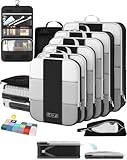
Domestic flights within Bhutan on carriers like Drukair have strict weight limits for checked luggage. Compression cubes maximize space in your suitcase. They help you stay under these limits. They keep your modest clothing for temple visits organized.

A packable daypack is good for day trips to places like the Tiger's Nest monastery. It carries your water, an extra layer for the cooler ascent, and a camera. It stows away when empty during your journey to the next valley in Bhutan.
Electronics & Gadgets


Power outlets can be scarce during long road journeys on Bhutan's winding mountain roads or on treks. A high-capacity power bank keeps your phone charged. Capture navigation and photos of the ever-changing Himalayan vistas throughout the day.

Having multiple durable cables is practical for Bhutan. Keep one in your daypack. Keep one in your hotel room. Keep a spare. The braided nylon withstands being packed and unpacked frequently as you travel between valleys.
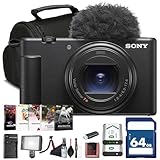
A compact, high-quality camera is good for capturing the fine details of Bhutan's architecture. Photograph the intricate woodwork. Photograph the vivid thangka paintings. Capture the vast, misty landscapes. Do this without the burden of heavy professional gear on hikes.

Older guesthouses in Bhutan may have only one or two usable outlets in a room. A compact travel power strip lets you charge your phone, camera, and power bank simultaneously. This is a common nightly routine.
Toiletries & Health

A basic first aid kit is important for treating minor cuts, blisters from hiking, or stomach discomfort. Bhutan has pharmacies in major towns. You may be hours away from one during excursions into more remote areas.
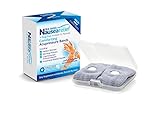
Travel in Bhutan is defined by long, winding mountain roads with countless hairpin turns. These non-medicated bands can provide relief from nausea. Focus on the view of terraced rice fields and rushing rivers outside the window.

Solid toiletries eliminate liquid spills in your luggage. They are lightweight for trekking. They are an eco-friendly choice. This aligns with the national focus on environmental preservation you will sense throughout Bhutan.

Documents & Security

This keeps your passport, Bhutanese visa authorization letter, and tour permit organized and protected. You will need to present these documents frequently. Do this at hotel check-ins. Do this at checkpoint controls between districts in Bhutan.

A money belt worn under your traditional kira or gho provides discreet security for cash. Cash is needed for local handicraft purchases at weekend markets like the one in Thimphu. Card payment is not always an option.

Use these to secure your main luggage during flights. Use them while it is transported between hotels by your guide. They also work for locking your daypack when you are in crowded festival grounds in Bhutan.

Given the multiple transfers involved in a typical Bhutan trip, international flights, domestic flights, and different tour vehicles, trackers offer peace of mind. They let you monitor your luggage's location throughout the journey.
Comfort & Convenience
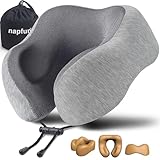
This is important for long flights to reach Bhutan. Use it during extended road journeys on the country's mountainous highways. It provides important support. Rest while your vehicle navigates the winding roads from valley to valley.

A good sleep mask helps you rest despite early morning sunlight. It works with inconsistent window coverings in some lodges. Uninterrupted sleep is important for keeping up with Bhutan's active schedule of sightseeing and hiking.
Staying hydrated at Bhutan's high altitudes is key. A collapsible bottle is easy to refill. It saves space when empty. It reduces plastic waste. This supports the country's ban on single-use plastics you will notice is in effect.
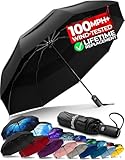
Sudden, brief rain showers are a hallmark of Bhutan's climate, even outside the monsoon. A sturdy, compact umbrella keeps you dry while exploring outdoor dzongs. It protects your camera gear from unexpected downpours.

This is good for impromptu visits to Bhutan's markets, like the Centenary Farmers Market in Thimphu. Buy local textiles or crafts. It also is an extra bag for separating dirty laundry. Use it for souvenirs on the return trip.
Outdoor & Hiking Gear

Bring trekking poles for the hike to Taktsang Monastery (Tiger's Nest). They steady you on steep, uneven stone paths. They save your knees on the descent. Any moderate to challenging trek in Bhutan's mountains needs them.
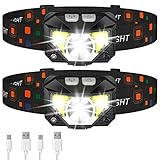
Pack a headlamp for Bhutan. Early starts for sunrise views are easier. Power cuts in guesthouses make paths dark. Hands-free light is important on multi-day treks where facilities stay basic.
Seasonal Packing Adjustments
What to add or skip depending on when you visit
Spring
March, April, May
Add: Lightweight rain jacket, Allergy medication (for blooming rhododendron forests)
Shop Spring essentials →Skip: Heaviest down jacket
Days feel warm and sunny. Blooming flowers explode with color. Evenings stay cool. Expect sudden afternoon showers. They leave the fresh scent of wet pine.
Summer Monsoon
June, July, August, September
Add: High-quality waterproof jacket with hood, Quick-dry pants, Waterproof shoe covers or spare shoes, More moisture-wicking clothing
Shop Summer Monsoon essentials →Skip: Non-waterproof jackets, Heavy cotton layers
Rain arrives often, sometimes heavy. Trails turn muddy and slippery. Humidity hangs thick. Damp earth and lush vegetation scent the air. Leeches lurk in forested areas.
Autumn
October, November
Add: Medium-weight layers like fleece, Warm hat and gloves for early mornings
Shop Autumn essentials →Skip: Lightest summer clothing
Skies clear for mountain views. Days stay pleasantly cool and dry. After sunset, temperatures plunge. Higher elevations feel the bite. Dry leaves crunch underfoot.
Winter
December, January, February
Add: Insulated down jacket, Thermal base layers, Warm hat, scarf, and insulated gloves, Lip balm for dry, cold air
Shop Winter essentials →Skip: Lightweight rain gear (unless traveling to Punakha)
Sun can fool you. Shade and night bite hard. Dry chill seeps into stone. In Punakha valley, it is milder. Morning breath clouds. Monastery walls soak up sun.
Luggage Recommendation
Choose a soft-sided duffel or 60-70 liter backpack. Hard-shell suitcases struggle in Bhutan. Easier to load into tour vehicles. Fits small aircraft holds. Works for trekking with pack animals. Sturdy, lockable zipper essential. Pair with a comfortable carry-on daypack for daily gear.
Shop Carry-On Luggage on AmazonPro Packing Tips
Practical advice from experienced travelers
Don't Pack
- Skip heavy formal wear. Modest, smart casual clothing works everywhere in Bhutan. Temple visits and cultural performances included.
- Do not haul shampoo or soap. Every hotel and guesthouse supplies them. Need more? Thimphu's Druk Tshongkhang store stocks everything.
- Leave the snack hoard at home. Bring a few favorites if you must. Every Bhutanese town sells biscuits, dried fruits, and nuts. Taste local flavors instead.
- Leave expensive jewelry and flashy accessories behind. Respect local customs. Travel lighter. Spend time without extra worry.
Buy Locally
- Buy a local SIM card from TashiCell or Bhutan Telecom. Counters at Paro International Airport sell them on arrival. Instant connectivity.
- Rent or buy traditional Bhutanese clothing. Kira for women, gho for men. Thimphu's Craft Bazaar has simple sets. Temple visits feel right.
- Pass on generic souvenirs. Shop the National Handloom Development Centre in Thimphu. Hit the weekend market. Authentic handwoven textiles and handicrafts await.
- Collect Bhutanese stamps and postcards. Mail them from the main post office in Thimphu. Unique souvenir. Personal touch.
Packing Hacks
- Roll clothes instead of folding to save space
- Pack shoes in shower caps to protect clothes
- Use packing cubes to stay organized
- Keep essentials in your carry-on
Continue Planning Your Trip
More guides to help you prepare
Ready to plan your trip to Bhutan?
Now that you've got the research covered, here's where to go next.