
Things to Do in Bhutan in February
February weather, activities, events & insider tips
Low Season · Budget Friendly
February Weather in Bhutan
Long-run averages for February in Paro
61°F (16°C)
High Temp
32°F (0°C)
Low Temp
0.4 inches (10 mm)
Rainfall
72%
Humidity
9
Sunny-Day UV
⚠ Black ice forms overnight on mountain passes and shaded trail sections through February. Watch Dochula and Chelela passes. Watch the upper portions of the Tiger's Nest trail. Traction footwear is essential. Confirm your operator sends experienced mountain drivers. Your driver knows the risks.
⚠ UV exposure at Bhutan's elevations of 2,000-3,100 m (6,560-10,170 ft) exceeds sea level intensity. This holds even on overcast days. Snow reflection amplifies the danger. February sun burns exposed skin in under thirty minutes at altitude. Apply sunscreen before you feel warmth. Reapply after sweating on hikes.
⚠ Overnight temperatures below freezing plus minimal indoor heating create hypothermia risk. This hits hardest at higher-elevation accommodation in Phobjikha or Bumthang. Carry emergency warmth layers inside your hotel room. Confirm hot water availability before arriving.
Is February Right for You?
Weigh the advantages and considerations before booking
Advantages
- + February hits Bhutan's dry season sweet spot, and the sky proves it. The Himalayan panorama from Dochula Pass, Gangkar Puensum, Masang Gang, Table Mountain, the full chain, snaps into clarity that monsoon months simply deny. On a good February morning, standing at 3,100 m (10,170 ft), the peaks look close enough to touch. The air cuts so transparent it almost hurts. Photographers who have shot Bhutan across every season will tell you February light, low and golden even at midday, produces the year's best images. Worth the early start.
- + Tourist numbers in February drop to a fraction of spring and autumn peaks. At Paro Taktsang, the trail that becomes a single-file queue in October is yours to walk at your own pace. Dzongs that feel like photo sets crowded with tour groups in April revert to functioning monasteries. You can hear monks chanting in the assembly hall. No selfie sticks in your peripheral vision. Licensed operators gain flexibility with itineraries. You are far more likely to secure a farmhouse homestay on short notice than during the festival-season crush. Book smart.
- + Punakha Valley, at just 1,200 m (3,940 ft), runs noticeably warmer than western Bhutan in February. Daytime temperatures reach 17-19°C (63-66°F) in the sun, warm enough for comfortable riverside walks along the Mo Chhu. The Punakha Dzong, where two rivers converge beneath jacaranda trees, is arguably the country's most architecturally striking fortress-monastery. February's low water levels expose massive foundation stones that monsoon floods conceal. Time it right.
- + Early February is your last window to see black-necked cranes in Phobjikha Valley before they migrate back to the Tibetan Plateau. These endangered birds, roughly 300 to 400 overwintering annually, circle Gangtey Goenpa monastery at dawn and dusk in flight patterns locals consider sacred. By late February most have departed. If the cranes matter to you, the first two weeks are non-negotiable. Plan accordingly.
Considerations
- − February nights in Bhutan are cold, and most Bhutanese buildings lack heating that Western travelers would recognize. At Paro's 2,200 m (7,220 ft) elevation, overnight temperatures regularly drop below freezing. Your hotel room, even a decent one, may have only a bukhari wood stove that dies out by 2 AM. You will wake up seeing your breath. Thimphu is marginally warmer but the same principle applies. Bring serious sleepwear. Expect to layer indoors.
- − High-altitude trekking routes are effectively closed. The Snowman Trek, Jomolhari, Druk Path, anything above roughly 3,500 m (11,480 ft), sits under snow and ice through February. Day hikes at lower elevations excel. If your primary goal is a multi-day Himalayan trek, you need to come in spring or autumn. The Tiger's Nest hike and Bumthang Valley walks remain accessible. The ambitious high-pass routes are off the table. Adjust expectations.
- − Daylight hours run roughly 6:30 AM to 5:30 PM, and the sun drops behind ridgelines earlier in deep valleys. This compresses your activity window, for morning drives to trailheads. Combined with winding mountain roads averaging 30-40 km/h (19-25 mph) regardless of distance, you burn daylight faster than expected. Planning two major stops per day is realistic. Three is pushing it. Pace yourself.
Best Activities in February
Top things to do during your visit
February in Bhutan brings a cold, bright hush you will not find again all year. The air is dry, the valleys warm to 15°C by day, and the mountains drop to -5°C at night, so a wood stove in a farmhouse lodge feels like salvation. Farmers hoe winter turnips. Monks pore over dusty texts. The dzongs settle into a slow, studious creak. Rain is rare, skies are cobalt, and the eastern Himalayas stand out like cut glass. Tourists are thin on the ground. You get the place to yourself. If you want solitude and razor-sharp views, book February. The weather stays dry and cool, good for half-day walks to cliff temples. You will catch a monk's low chant drifting across a sunlit courtyard and feel a prayer wheel's brass rim worn smooth by a thousand palms. This is the month to watch Bhutan work, eat, breathe, without a crowd.

12 Days Bhutan In-depth Tour
guided_experienceYou leave the busy Paro-Thimphu spine, push into Punakha's orange groves and Bumthang's silent fields. Inside Jakar Dzong, 16th-century murals show demons bowing to Guru Rinpoche. Prayer flags snap at 3,400 m passes. In a stone kitchen you taste datse, a homemade cow's-milk cheese that squeaks between the teeth. Black-necked cranes whistle over the Phobjikha valley if you time it right.
Rare, extended immersion into Bhutan's cultural and geographic variety, from subtropical lowlands to alpine valleys.

5-Day Private tour of Bhutan
private_tourJuniper incense drifts from Thimphu's Memorial Chorten. Two rivers meet beneath Punakha Dzong's cantilevered roof. You can pause to watch village archers send bamboo arrows 140 m downrange. Thwack.
It delivers a curated, intimate experience of Bhutan's essential cultural sites with the freedom to adapt the pace to your interests.
Insider tip: Request an early visit to Punakha Dzong to experience its serene courtyards in quiet morning light before day-trippers arrive.

6 Days of Adventure with Thimphu, Punakha and Paro
otherYou climb 1 hr 30 min to Khamsum Yulley Namgyal Chorten for 270-degree views of the Mo Chhu curl. Later you burn again on ema datshi, chilies stewed with local cheese. Dochula Pass gifts a 200 km wall of white peaks on a clear February noon.
It blends physical activity with deep cultural discovery, good for those who want to engage with Bhutan's landscapes actively.
Insider tip: Break in your hiking boots before you come. The stone steps to many viewpoints are steep and uneven.

Private Multi-Day Bhutan Tour: Paro, Taktsang Monastery, Thimphu
day_tripThe Tiger's Nest climb is 900 m up, pine needles underfoot, wind hissing through rhododendron branches. Guides space the ascent so you reach the cliff-hung monastery before noon haze forms.
It has a deep, unrushed engagement with Bhutan's paramount cultural treasure, the Tiger's Nest Monastery, with expert guidance.
Insider tip: For the Tiger's Nest hike, carry a refillable water bottle. There are points to top up with safe, cold spring water along the path.

Bhutan Highlights Tour - 7 Nights 8 Days of Culture & Adventure
guided_experienceYou stare up at a 51 m woven thangka inside the Zorig Chusum institute, then sway across Punakha's 160 m suspension bridge. Suja, hot salty butter tea, lands on your tongue like liquid velvet.
It efficiently combines the must-see landmarks with authentic experiences, providing a well-rounded first encounter with Bhutan.
Insider tip: At textile museums, ask your guide about the symbols woven into the fabrics. Each pattern tells a specific story.

Bhutan Tour Package
guided_experienceYou smell wet clay and incense in 15th-century corridors, hear prayer bells at 06:00, watch students grind mineral paint, and bargain for dried chilies in Thimphu's weekend market.
It is a solid, value-conscious introduction to the architecture, religion, and daily commerce that define Bhutan.
Insider tip: Carry small change in local currency for the market; it's useful for buying a bag of roasted corn or a handful of seasonal oranges.
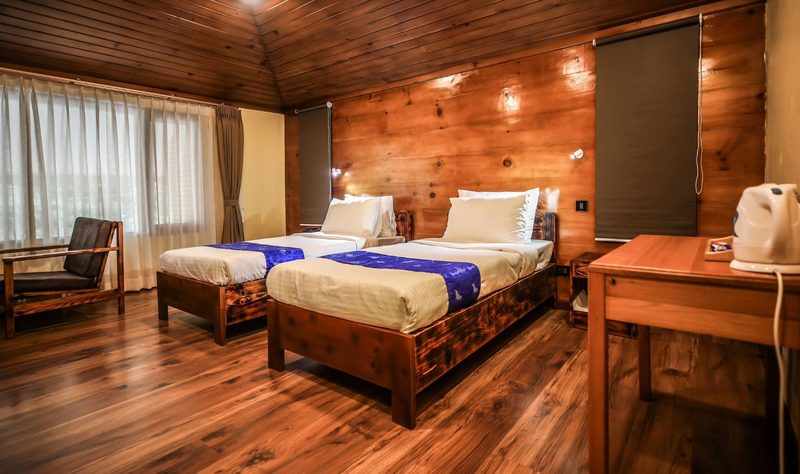
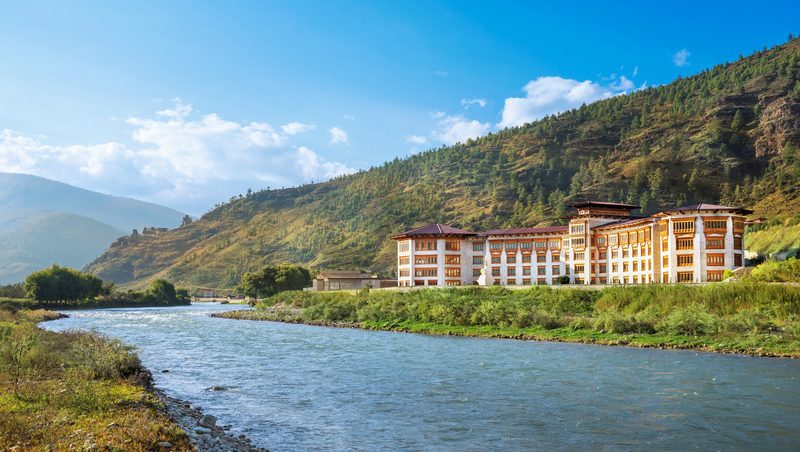
Where to Stay in Bhutan in February
Hand-picked hotels across price tiers for February travellers.
Public Holidays in February
Dates that affect opening hours, transport and crowds
Losar
Observed nationwide as a public holiday. Date calculated from the national holiday calendar.
Losar
Observed nationwide as a public holiday. Date calculated from the national holiday calendar.
Birth Anniversary of His Majesty the King
Observed nationwide as a public holiday. Date calculated from the national holiday calendar.
Birth Anniversary of His Majesty the King
Observed nationwide as a public holiday. Date calculated from the national holiday calendar.
Birth Anniversary of His Majesty the King
Observed nationwide as a public holiday. Date calculated from the national holiday calendar.
Birth Anniversary of His Majesty the King
Observed nationwide as a public holiday. Date calculated from the national holiday calendar.
Birth Anniversary of His Majesty the King
Observed nationwide as a public holiday. Date calculated from the national holiday calendar.
Birth Anniversary of His Majesty the King
Observed nationwide as a public holiday. Date calculated from the national holiday calendar.
Losar
Observed nationwide as a public holiday. Date calculated from the national holiday calendar.
Losar
Observed nationwide as a public holiday. Date calculated from the national holiday calendar.
Packing Checklist
Bookmark this page — your progress is saved between visits
Need the full list with shopping links?
Climate-specific gear, brand recommendations, and what to leave at home.
View Bhutan Packing List →Essential Tips
Insider knowledge and common pitfalls to avoid
Insider Knowledge
The Sustainable Development Fee and licensed operator requirement prevent freelancing in Bhutan. Yet within this structure, you hold more negotiating power than most travelers realize. February brings hungry operators. Push for farmhouse homestays over hotels. The meals surpass hotel versions. Ema datshi made with local cheese in a wood-fired kitchen tastes entirely different. The hot stone bath usually comes included. You will sit on the floor eating with the family. The bukhari stove crackles. The household dog sleeps on your feet. This is not curated. This is rural Bhutan in winter.
Suja is Bhutanese butter tea. It is churned with yak butter and salt, not sweetened. Your first sip will confuse you. It tastes like rich, slightly rancid broth. Nothing like tea you know. By your third cup, at altitude, in cold air, you will understand. Himalayan cultures drink it for reason. The fat and salt replace what dry altitude strips away. It warms you from the stomach outward. Ordinary tea cannot match this. Drink it when offered. Refusing is mildly rude. More, you miss the country's best cold-weather drink.
February brings rare opportunity. The Je Khenpo, chief abbot of Bhutan, and the central monastic body reside at Punakha Dzong rather than Thimphu's Tashichho Dzong. This makes Punakha's assembly halls active in ways summer cannot match. You may hear dungchen long horns thrumming through the courtyard during prayer sessions. Monks fill the corridors. The dzong becomes a working religious institution, not merely a tourist site. Schedule your Punakha visit for morning. Catch the prayer hours.
The road between Thimphu and Punakha crosses Dochula Pass. Your driver will stop whether you ask or not. Most travelers miss the better view. Walk uphill past the Druk Wangyel Lhakhang temple for ten more minutes to the ridge above the chortens. The panorama opens wider there. The chortens become foreground elements, not obstructions. You escape the parking area crowds. The trail is obvious and gentle. February mornings offer the clearest windows. Check with your guide at 5 AM. If Thimphu dawns cloudy, the pass usually is too. The early start loses its value.
Avoid These Mistakes
Do not underestimate the cold. The daytime high reads 16°C (61°F). That number misleads. It reflects brief direct sun in a sheltered valley at midday. Step into shade, gain altitude, or wait until 4 PM. You hit single digits Celsius. After dark, most of western Bhutan hits freezing or below. Travelers who pack for 16°C shiver in hotel lobbies wearing every item they own. Pack for winter camping. Not spring hiking.
Avoid covering too much ground. Bhutan's distances look short on maps. The roads are narrow, winding mountain switchbacks. Sixty km (37 miles) takes two hours. Travelers who schedule Thimphu, Punakha, Phobjikha, Paro, and Bumthang in seven days spend most of their trip in a car. They arrive too late and too carsick to enjoy anything. For February, focus on the western valleys. Paro, Thimphu, Punakha, and one excursion to Phobjikha or Haa. Save central Bhutan for a longer trip.
Do not assume February is too cold. Wait for spring if you must. The October and March-April windows are peak season for good reason. February offers empty trails, clear Himalayan views, the Punakha festival, crane watching, and lower competition for permits and farmhouse stays. It is arguably better for experienced travelers who pack correctly. The mistake is not February itself. The mistake is February dressed for October.
Ready to plan your trip to Bhutan?
Now that you've got the research covered, here's where to go next.
Explore More Activities in Bhutan
Didn't see anything interesting yet?
Browse Viator's full catalog of tours, day trips, food experiences, and private guides in Bhutan.
See All Bhutan Tours on Viator