
Things to Do in Bhutan in January
January weather, activities, events & insider tips
Low Season · Budget Friendly
January Weather in Bhutan
Long-run averages for January in Paro
58°F (14°C)
High Temp
28°F (-2°C)
Low Temp
0.2 inches (5 mm)
Rainfall
64%
Humidity
6
Sunny-Day UV
⚠ Black ice forms on mountain roads and high passes before 9 AM and after 4 PM. The Dochula Pass road at 3,100 m (10,170 ft) and the Chelela approach at 3,988 m (13,084 ft) are prone. Your driver knows this. But confirm morning departures avoid the earliest hours on exposed routes.
⚠ Altitude sickness hits unacclimatized arrivals hard. Most of western Bhutan sits between 2,200 m and 3,100 m (7,218 ft to 10,170 ft), with passes climbing higher still. Headache, nausea, and breathlessness usually strike within 12-24 hours. Drink water constantly. Take day one slow. Descend immediately if symptoms worsen.
⚠ Nighttime temperatures in western valleys drop below zero. Underprepared travelers get caught out. Rural guesthouse heating fails. Hypothermia happens. Pack layers. Bring a sleeping bag liner as backup for stays outside main towns.
Is January Right for You?
Weigh the advantages and considerations before booking
Advantages
- + January delivers the clearest Himalayan views of the year. Monsoon moisture smothers peaks from June through September. By January, that haze is gone. Sharp winter air makes the 7,570 m (24,836 ft) snowcap of Gangkhar Puensum appear close enough to touch from Dochula Pass at 3,100 m (10,170 ft). This is the world's highest unclimbed mountain. Photographers chase this light. Low-angle winter sun catches prayer flags against cobalt sky. No haze. No cloud wrap.
- + This is Bhutan's quietest tourist window. Autumn festival crowds have gone home. Spring trekkers have not yet arrived. The dzongs and monasteries feel like theme parks in October. In January, they belong to monks and schoolchildren. At Tiger's Nest, the trail becomes a single-file queue in peak season. On a Tuesday morning in January, you might see a dozen hikers. That solitude changes everything. You hear wind through prayer wheels. Not other people's guide speakers.
- + The black-necked cranes have arrived. These endangered birds are sacred in Bhutanese culture. Royal decree protects them. They overwinter in Phobjikha Valley from late October through mid-February. January finds them mid-season, settled into feeding routines on the marshy valley floor at 2,900 m (9,514 ft). The valley is hushed and frost-rimmed at dawn. The crane observation post near Gangtey Goenpa monastery gives unobstructed sightlines without disturbing the birds. Worth the early start. Seeing three hundred birds lift off a frozen field at sunrise justifies the entire trip. Their wingbeats are slow and deliberate.
- + Winter accommodation pricing drops noticeably from October-November peaks. Lodges and hotels book out months in advance during tshechu festivals. In January, same-week availability is common. Many properties offer upgraded rooms or complimentary extras. Hot stone baths. Guided village walks. These would never be included when demand fills every bed. The Sustainable Development Fee remains fixed year-round. Your accommodation spending stretches further in January than any month except December.
Considerations
- − It is cold. Not fleece cold. Nighttime temperatures in western valleys around Paro and Thimphu regularly hit -2°C (28°F). Higher passes like Chelela at 3,988 m (13,084 ft) dip well below -10°C (14°F). Most Bhutanese hotels rely on bukhari wood stoves. No central heating. The gap between common room warmth and bedroom temperature at 2 AM startles first-timers. You will sleep in thermals. Hot water in smaller properties can be unreliable when cold mornings spike demand. Pack accordingly.
- − Shorter daylight hours compress your sightseeing window. Thimphu sunrise in January comes after 6:30 AM. Sunset hits before 5:30 PM. That gives roughly ten hours of useful light. Mountain roads need time to warm above freezing. Locals avoid higher passes before 9 AM. Black ice lingers on shaded curves. Your effective activity window narrows to about seven hours. Multi-day itineraries that work in October feel rushed. You lose two hours at each end.
- − Some higher-elevation experiences are closed or inadvisable. The Snowman Trek is impassable. The road to Bumthang through Trongsa can be delayed by snowfall on Yotong La pass at 3,425 m (11,237 ft). Eastern Bhutan becomes logistically challenging when ice closes secondary roads. If your trip depends on reaching Trashigang or remote eastern dzongkhags, pick another month. The western circuit remains reliable. Paro, Thimphu, Punakha, Phobjikha. Plan around this geography. Do not fight it.
Best Activities in January
Top things to do during your visit
Arrive in Bhutan during January and you step straight into crystalline clarity. The sharp, cold air carries pine scent and the thin, sweet smoke of wood fires drifting from village homes. The low sun lights the white peaks with a brilliance the humid summer never gives. This is the quiet season, the lull after autumn festivals and before spring pilgrimages. Dzongs stand unobstructed, monks move through daily routines without tourist backdrop. In Thimphu markets locals wear heavy gho and kira, breath visible, trading gossip over cups of suja butter tea. Days can feel almost warm in direct sun. Nights drop well below freezing. The dry cold makes a farmhouse hearth feel like salvation. January is the driest month on Bhutan's climate table, promising razor-sharp views of the eastern Himalaya that other seasons soften with haze. Photographers get steel-blue skies. Hikers hear only frost crunch and distant monastery horns. Safety is a non-issue; Paro's orderly streets reflect a culture that prizes respect. Build your itinerary around the swings: layer clothes, seek ema datshi stew, and chase the stillness.

12 Days Bhutan In-depth Tour
guided_experienceTwelve days of immersion skip the checklist and head for Phobjikha Valley, where winter strips the hills to sculpted bronze. You will hear monks chant in remote temples and feel centuries-old farmhouse floorboards worn smooth under socked feet. The tour gives a complete sweep of culture and landscape.
Rare, unhurried depth. You sync with monastic rhythms and rural life that define the nation.
Insider tip: Pack thermals. Unheated heritage interiors feel colder than the open air.

5-Day Private tour of Bhutan
private_tourFive private days let you linger inside Punakha Dzong where winter sun slants through carved windows onto lotus murals. Taste ezay chili relish, feel cool polished courtyard stone under your shoes.
Flexibility to stay longer wherever a silent prayer hall or weekend vegetable market grabs you.
Insider tip: Ask your guide for a private altar room in a family home. Juniper incense is strongest in the cold dawn.

6 Days of Adventure with Thimphu, Punakha and Paro
otherSix days mix culture with action: hike to Tiger's Nest on a thin, crisp morning. Watch prayer flags snap at Dochula Pass against white Himalayan backdrops. Feel Punakha's humid microclimate break January's dry spell.
Balances profound cultural moments with the physical punch of Bhutan's terrain.
Insider tip: January trails are empty but icy in shade. Bring grippy boots.

Private Multi-Day Bhutan Tour: Paro, Taktsang Monastery, Thimphu
day_tripA private multi-day loop through western valleys gives you the National Museum of Bhutan inside Paro's ancient watchtower. Smell old paper and mineral pigments on historic thangkas while your guide deciphers Buddhist iconography in hushed rooms.
Private car and guide let you dive as deep as you want into history and architecture.
Insider tip: January's low sun is good for photographing Paro valley woodwork during golden hour.

Bhutan Highlights Tour - 7 Nights 8 Days of Culture & Adventure
guided_experienceSeven nights package the essentials: watch monks shape a ceremonial butter sculpture, loose an arrow at an archery range, taste smoky phaksha paa pork with red chilies.
Curated, full-spectrum intro to sights, tastes, traditions.
Insider tip: Ask if your dates overlap dzong rehearsals. Monks practice tshechu dances in January for spring festivals.

Bhutan Tour Package
guided_experienceCondensed but rich: feel the heft of hand-woven wool blankets and study silver daggers. The route usually covers Thimphu's Memorial Chorten where you join locals spinning prayer wheels.
Well-chosen highlights deliver authentic sense of place in tight time.
Insider tip: January nights are long and cold. Confirm your hotel has heating before booking.
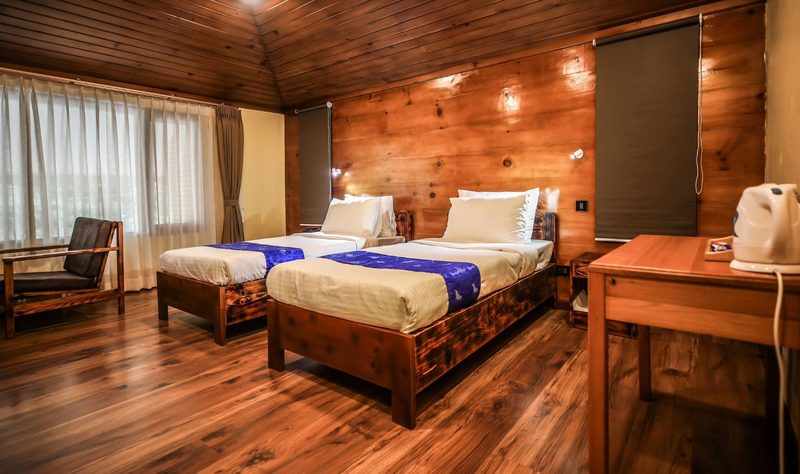
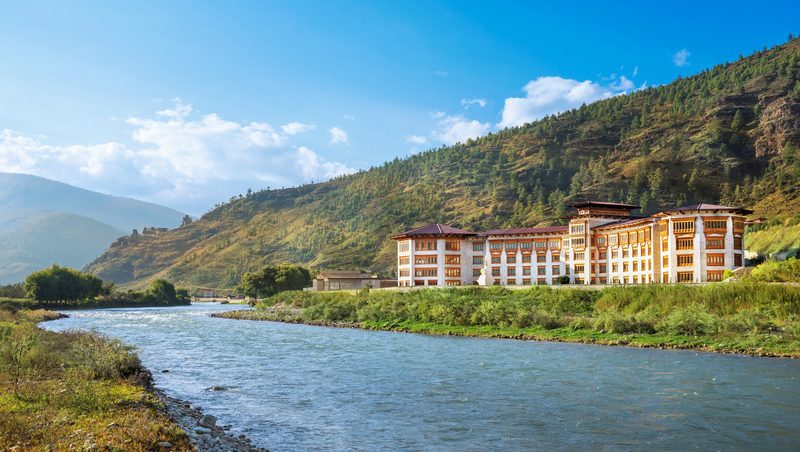
Where to Stay in Bhutan in January
Hand-picked hotels across price tiers for January travellers.
Public Holidays in January
Dates that affect opening hours, transport and crowds
Winter Solstice
Observed nationwide as a public holiday. Date calculated from the national holiday calendar.
Traditional Day of Offering
Observed nationwide as a public holiday. Date calculated from the national holiday calendar.
Winter Solstice
Observed nationwide as a public holiday. Date calculated from the national holiday calendar.
Traditional Day of Offering
Observed nationwide as a public holiday. Date calculated from the national holiday calendar.
Packing Checklist
Bookmark this page — your progress is saved between visits
Need the full list with shopping links?
Climate-specific gear, brand recommendations, and what to leave at home.
View Bhutan Packing List →Essential Tips
Insider knowledge and common pitfalls to avoid
Insider Knowledge
Bhutan requires all tourists to visit through a licensed Bhutanese tour operator. This is not a formality you can work around. The operator handles your visa, itinerary, guide, driver, accommodation, and most meals. This structure frustrates independent travelers. It also means January logistics, icy roads, pass closures, heating arrangements, are handled by people who drive these routes year-round. The quality difference between operators is real, though. The best ones employ guides who trained at Bhutan's own guide school in Bumthang. They can explain the iconography inside a dzong without reading from a script. Ask your operator for your guide's name and background before you arrive.
Request Punakha as your warmest base. At 1,200 m (3,937 ft), it sits a full 1,100 m (3,609 ft) below Thimphu, and that elevation difference translates to roughly 7°C (13°F) warmer days. Experienced operators front-load Paro and Thimphu when you are fresh and motivated for cold, then move you to Punakha for recovery. If your operator suggests the reverse, push back. Ending your trip shivering in Paro after the relative warmth of Punakha is a morale hit that colors the whole experience.
The food in January leans heavily on ema datshi, chili and cheese stew, served with red rice, and you will eat variations of it at every meal. This is not a limitation. It is the cuisine, and in winter the heat from the chilies serves a thermoregulatory purpose that is immediately obvious once you eat it at altitude in freezing air. The dried yak meat (shakam) that appears alongside it has a dense, slightly gamey chew, and the buckwheat pancakes (khuli) served in the east are nutty and filling in a way that wheat bread is not. Ask your guide to arrange at least one farmhouse meal where the family cooks on a wood stove. The smoke-and-butter smell of that kitchen, with chili strings drying overhead and the family's altar flickering in the corner, is January Bhutan distilled into a single room.
Altitude affects nearly everyone above 2,500 m (8,202 ft), and most of western Bhutan sits above that line. Thimphu is at 2,320 m (7,612 ft), Paro at 2,250 m (7,382 ft), and every pass you cross climbs higher. The symptoms, headache, mild nausea, breathlessness on stairs, usually appear on day one or two and resolve by day three if you hydrate and do not overexert. January's cold and dry air worsens dehydration, which worsens altitude effects. Drink water constantly even when you do not feel thirsty, avoid alcohol for the first two nights, and consider building a rest afternoon into your first day in Thimphu rather than immediately driving to a 3,000 m (9,843 ft) viewpoint.
Avoid These Mistakes
Packing as if January in Bhutan is a mild winter. It is not. Travelers who arrive with a medium-weight jacket and no thermal layers find the problem at 2 AM in a Paro guesthouse when the bukhari stove has burned down to embers and their room temperature has dropped to near freezing. The 16°C (29°F) swing between midday sun and midnight is the trap. Daytime can feel almost pleasant at 14°C (57°F) in direct sun, which lulls people into underestimating the night.
Trying to cover eastern Bhutan in January. The eastern districts, Trashigang, Mongar, Lhuentse, are connected by mountain roads that cross passes above 3,500 m (11,483 ft), and January snow can close these for days. The internal flights that sometimes service Bumthang are weather-dependent and cancel frequently in winter. Stick to the western circuit: Paro, Thimphu, Punakha, Phobjikha. It holds more than enough for a week, and you will see it all rather than spending half your trip waiting for a road to reopen.
Skipping the Sustainable Development Fee planning and being surprised by the total cost. Every international visitor pays a daily fee on top of tour costs, and this is non-negotiable regardless of season. January's lower accommodation rates help offset it. But Bhutan is not a budget destination in any month, and travelers who arrive expecting Southeast Asian pricing feel the mismatch immediately. Budget for the full package before you commit, and treat January's quieter lodges and uncrowded trails as the value the fee buys. In peak season, you pay the same fee but share every viewpoint with fifty other people.
Ready to plan your trip to Bhutan?
Now that you've got the research covered, here's where to go next.
Explore More Activities in Bhutan
Didn't see anything interesting yet?
Browse Viator's full catalog of tours, day trips, food experiences, and private guides in Bhutan.
See All Bhutan Tours on Viator